
As I said in my post “The State of Book Reviews from a Freelancer Perspective” , as someone who already struggles with brevity, I doubly struggle with calling a 200-word rehash of the book summary a “review.”
But I’m working on finding a middle ground with my new blog, so I’ll give it a shot here.
As I also said in that post, I realize most book recommendations come from friends or family members who don’t sit you down and give you a 900-word review. With that in mind, here is my…
Friend Recommendation of The Only Good Indians by Stephen Graham Jones:
If you like horror that has a strong literary feel, you’ll like The Only Good Indians by Stephen Graham Jones. The book’s definition of “horror” is a combination of supernatural elements and some graphic violence, but there is also a mix of Native American lore and the very real struggle of Indigenous life.
The Only Good Indians Book Summary (Simon & Schuster):
“From New York Times bestselling author Stephen Graham Jones comes a novel that is equal parts psychological horror and cutting social commentary on identity politics and the American Indian experience. Fans of Sylvia Moreno Garcia and Tommy Orange will love this story as it follows the lives of four American Indian men and their families, all haunted by a disturbing, deadly event that took place in their youth. Years later, they find themselves tracked by an entity bent on revenge, totally helpless as the culture and traditions they left behind catch up to them in a violent, vengeful way.”
But if you want to know more…
My Longer Review:
I work for the Paiute Indian Tribe of Utah, which has a book club. I’m not a Tribe member, so I’m not allowed to attend. However, I am curious about tribal culture, so I’ve been reading the club recommendations. The first one was Braiding Sweetgrass, a collection of essays by Robin Wall Kimmerer that I would definitely recommend, but as a horror writer, I was excited to get into The Only Good Indians.
My interest was further piqued by a coworker who is an enrolled member of the Tribe and said she thought it was interesting that the book was identified as “horror.” She said some of the things that might be considered “scary” by non-Indigenous readers were normal to her.
I believe this is that mix of what my aforementioned “Friend Recommendation” would call “supernatural” as a white person combined with Indigenous lore, and it’s one of the things I really enjoyed about the book. I won’t go too much into my background (you’re welcome to learn more by reading my post “Why do I like to write horror stories?”). I’ll just say that it’s hard to be a horror writer without having some part of you – however little it may be – that believes there is more to the world than what we see or what science – or even Christianity – has told us. So I’ve appreciated learning more about cultures that go beyond these strictures.
The fact that many Native Americans don’t draw such a clear line between traditional “fact” and “fiction” (or perhaps “tangible” vs. “unseen” is more appropriate) lets Jones weave a story where the completely surreal feels totally plausible.
However, while this broader scope of “reality” may be more familiar to an Indigenous person, for the white guy, it’s what made The Only Good Indians even better, especially for the first part of the story that deals with Lewis, one of the four main male characters mentioned in the summary above. The fact that many Native Americans don’t draw such a clear line between traditional “fact” and “fiction” (or perhaps “tangible” vs. “unseen” is more appropriate) lets Jones weave a story where the completely surreal feels totally plausible. You know you’re reading a “horror” novel, but the fact that Lewis’ upbringing allows him to wholeheartedly believe he is being haunted by an animal he killed in the past makes the reader wonder along with him: Is this belief real, or is he about to do something awful based on that belief?
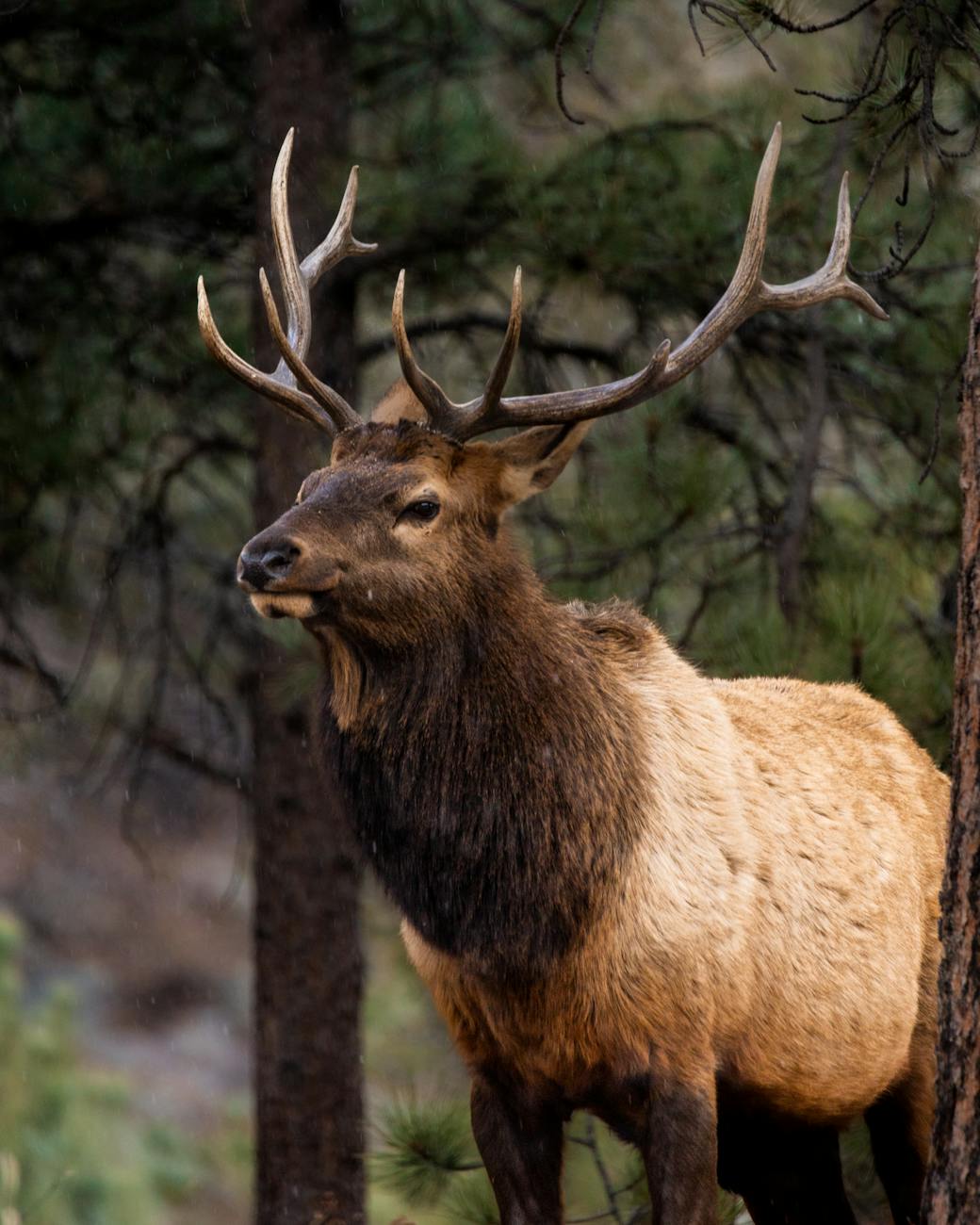
Speaking of “something awful,” I’ll pause here and say that outside of the idea that whether or not you label Elk Head Woman as “scary” depends on your cultural background, Jones does a pretty good job with some gore and violence that would definitely be considered “horror,” and he also handles tension quite well for that “thriller” effect.
Moving beyond horror, Jones excels at writing a very human story. Most of us know the injustices wrought on Native populations in the past (for a more traditional historical literary fiction novel that some have called “horror” – or perhaps “horrific” is more appropriate – there’s Cormac McCarthy’s Blood Meridian), but this awareness of past wrongs often stays in the history books. I’ve enjoyed reading Sherman Alexie for his use of biting humor to talk about living as a Native American today. Jones’ vehicle to accomplish this is horror (although he also writes in other genres). In his four male protagonists, we get four examples of how the different Blackfeet men deal with this existence: one is trying to forget, one is running away from it, one is running toward it, and one is living it.
There were some powerful moments in this vein; the humanizing effect of Victor Yellow Tail and his difficult role as a tribal cop sticks out as one of many scenes where I forgot I was in a horror novel. Even Jones’ writing style reflects the cadence of a Native American storyteller. I’ve seen a few comments from people who say they struggle with the dialect, but having heard some examples of it myself (and with written dialect, sometimes hearing it first is the key), I think Jones uses it well.
Speaking of word choice, herein lies my only criticism. The second half of the book is a definite shift, not only in the main characters but also in tone. Along these lines, Jones has moments where he slips from third-person to second-person suddenly – as in, with no chapter break or even a line break. There’s good reason for this POV shift that I won’t spoil here, but the first few times it happened, it was jarring as a reader because there was no traditional literary signposting from Jones. I’m not sure how it might’ve been handled differently, but unfortunately, it took me out of the story when it happened, and I became aware of the writing itself instead of being lost in the story.
Overall, though, that was a minor blemish on an otherwise excellent read. You may be surprised to hear that even though I’m a horror writer when it comes to my fiction, most of the books I’ve read over the past few years have been literary fiction. The Only Good Indians was a welcome transition back into the horror genre while still offering characters and subplots with depth.
* * *
If you like what you read here, make sure to sign up for my newsletter! I promise, no more than two emails per month (unless I ask permission), and the first email will just be confirming that you get the special deal I’m offering. What? A special deal? For more information and to sign up, click here.
(If you already subscribed to my blog way back in the day through WordPress, I’ll soon be changing over to MailChimp exclusively, so I hope you’ll subscribe to that newsletter instead…and the “special deal” will still be available for you as well)
 Paul D. Dail